Cooking Course in Pakistan
The Electrical Supervisor course provides students with a comprehensive understanding of electrical systems, installations, and maintenance principles and practices. Offered as part of a professional electrical training center or electrical engineering trade school, this program equips students with the necessary skills and knowledge to effectively manage electrical systems and installations. The course covers a range of topics, including electrical theory, safety, codes and regulations, electrical systems design, installation, and maintenance.
Course Overview
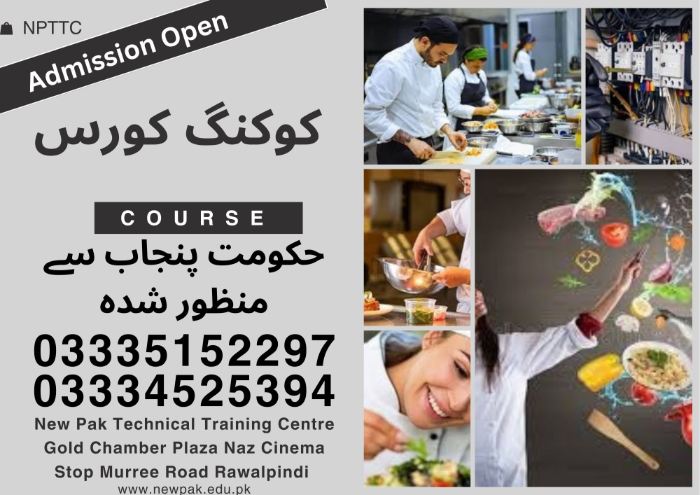
The culinary world offers endless opportunities for those with the right skills. At New Pak Technical Training Centre, our Cooking Course is designed to take you from home cooking to professional-level expertise. Whether you want to work in a high-end restaurant, a hotel, or start your own food business, we provide the training you need to master the kitchen.
Why Choose Our Cooking Program?
- Hands-on Practical Training: You spend your time in the kitchen, not just the classroom.
- Master Multiple Cuisines: Learn the secrets of Pakistani, Continental, Chinese, and Arabic dishes.
- Commercial Kitchen Secrets: Learn how to cook for large groups (bulk cooking) without losing taste or quality.
- Food Safety Standards: Training includes hygiene, food storage, and kitchen safety (HACCP standards).
Detailed Course Modules
06 | Months Certificate
Focus: Master the fundamental recipes and techniques.
- Knife Mastery: Professional cutting, slicing, and chopping techniques.
- Traditional Pakistani Cuisine: Authentic Biryani, Karahi, Handi, and BBQ specialties.
- Chinese & Fast Food: Mastering Stir-fry, Chow Mein, Burgers, Steaks, and Sauces.
- Kitchen Basics: Understanding spices, herbs, and the science of marination.
01 | Year Certificate
Focus: Advanced culinary arts and kitchen management.
- Continental & Italian: Pasta making, Lasagna, Roasts, and International soups.
- Baking & Pastry: Basics of bread, cakes, and professional dessert presentation.
- Menu Engineering: How to design a profitable menu and calculate food costs.
- Kitchen Leadership: Managing a team, inventory control, and kitchen organization.
Frequently Asked Questions (FAQs)
Is This Course Suitable for People Going To The Gulf?
Yes! We specifically train students to pass the “Trade Tests” required for cook and chef jobs in Saudi Arabia, Dubai, and Qatar.
Do I Need to Provide The Ingredients?
No. New Pak provides all necessary ingredients and equipment for the practical sessions during the course.
Can I Start a Catering Business After This?
Absolutely. Many of our graduates successfully start their own catering brands, home kitchens, or restaurants.
Month 1 — Introduction To Cooking & Basic Skills
Theory Topics
1. Introduction to Culinary Arts
- History of cooking and evolution of cuisines.
- Overview of professional kitchen environments (restaurant, hotel, catering).
- Job roles and career pathways in the culinary field.
- Kitchen hierarchy and brigade system.
2. Kitchen Safety and Hygiene
- Personal hygiene standards for food handlers.
- Kitchen safety protocols (fire safety, electrical appliances, slips and cuts).
- Foodborne illnesses and prevention.
- Cross-contamination risks and control.
- Proper cleaning and sanitation procedures.
3. Understanding Kitchen Tools & Equipment
- Types and uses of knives.
- Cutting boards, pots, pans, and their material differences.

- Oven types, burners, mixers, food processors, blenders.
- Maintenance and storage of equipment.
4. Basic Nutrition
- Macronutrients: carbohydrates, proteins, fats.
- Micronutrients: vitamins, minerals, water.
- Dietary guidelines and balanced meals.
- Nutrition considerations for special diets (diabetes, hypertension, allergies).
Practical Sessions
1. Knife Skills & Basic Cuts
- Knife safety.
- Holding a knife correctly.
- Julienne, brunoise, chiffonade, dice, batonnet.
- Practice cutting vegetables and fruits.
2. Kitchen Setup & Mise en Place
- Setting up the workstation.
- Organizing ingredients before cooking.
- Importance of time management.
3. Simple Preparations
- Washing, peeling, chopping.
- Measuring ingredients accurately.
- Making stocks: basic vegetable and chicken stock.
4. Simple Cooking Techniques
- Boiling, steaming, poaching.
- Stirring and simmering.
- Basic sauces: white roux, beurre blanc.
Month 2 — Fundamentals Of Cooking Methods
Theory Topics
1. Heat and Its Effect on Food
- Conduction, convection, radiation.
- How heat changes food texture and flavour.
- Cooking temperatures for various foods.
2. Stocks, Soups, and Sauces
- Classification of stocks: white, brown, fish, vegetable.
- Soups: clear vs. thick soups.
- Mother sauces (French): béchamel, velouté, espagnole, tomato, hollandaise.
- Derivative sauces.
3. Food Science Basics
- Maillard reaction and caramelisation.
- Protein denaturation.
- Emulsion explanation.
4. Introduction to Seasoning
- Herbs, spices, salts, acids.
- Balancing flavours — sweet, sour, bitter, salty, umami.
- Local Pakistani spices and their culinary roles.
Practical Sessions
1. Stocks and Soups
- Preparing basic stocks.
- Making consommé.
- Thick soups: cream-based soups.
2. Sauce Preparation
- Practicing all five mother sauces.
- Making derivative sauces like mushroom sauce, pepper sauce.
3. Cooking Methods
- Roasting and baking basics.
- Grilling and frying (shallow and deep-frying).
- Sautéing and braising.
4. Vegetable & Legume Dishes
- Cooking seasonal vegetables.
- Preparing lentils (dal) using different methods.
- Stirfried veggies and sautéed greens.
Month 3 — Bakery & Pastry Basics
Theory Topics
1. Introduction to Baking
- Chemistry of baking.
- Role of ingredients: flour, yeast, sugar, salt, fat, eggs.
- Measuring methods (weighing vs. volume).
2. Bread Science
- Yeast fermentation.
- Dough structure and gluten.
- Proofing and fermentation stages.
3. Pastry Types
- Shortcrust, puff pastry, choux pastry.
- Sweet vs. savoury pastries.
4. Dessert Fundamentals
- Custards, creams, mousses.
- Gelatine and setting agents.
- Chocolate basics: tempering, melting points.
Practical Sessions
1. Bread Making
- Basic white bread.
- Whole wheat bread.
- Rolls and buns.
2. Pastry Production
- Making shortcrust pastry.
- Puff pastry techniques.
- Choux pastry (eclairs, profiteroles).
3. Cakes and Desserts
- Sponge cakes.
- Simple butter cake.
- Basic icing and decoration.
4. Baking Lab Management
- Oven calibration.
- Proofing schedules.
- Hygiene in bakery sections.
Month 4 — International Cuisines & Meat Cookery
Theory Topics
1. Overview of Major World Cuisines
- Italian (pasta, risotto).
- French (technique-based).
- Middle Eastern (grills, mezze).
- South Asian (curries, biryani).
2. Meat Science
- Meat types: beef, lamb, chicken, goat.
- Muscle structure.
- Cooking methods for tough vs. tender cuts.
3. Food Safety in Meat Handling
- Safe storage temperatures.
- Thawing and cross-contamination prevention.
- HACCP basics.
4. Marinades, Rubs, and Brining
- Purpose and science.
- Components of flavour.
Practical Sessions
1. Poultry Cookery
- Trussing a chicken.
- Roasting chicken.
- Chicken curry with proper spice layering.
2. Red Meat Preparation
- Grilling steaks.
- Braising lamb shanks.
- Kebabs and koftas (minced meat techniques).
3. Seafood Handling
- Cleaning fish.
- Grilled and steamed fish dishes.
- Seafood sauces.
4. International Dishes
- Italian pasta making (fresh pasta).
- Risotto practice.
- Middle Eastern kebabs and rice.
Month 5 — Advanced Kitchen Techniques & Planning
Theory Topics
1. Menu Planning
- Understanding target customer tastes.
- Balancing cost vs quality.
- Seasonal and local ingredient considerations.
2. Nutrition-Based Menu Design
- Healthy cooking methods.
- Catering to diets (vegetarian, low sodium, gluten-free).
3. Advanced Sauces and Plating
- Modern sauce applications.
- Plating principles: colour, balance, texture.
4. Food Costing & Inventory
- Costing formulas.
- Inventory turnover.
- Minimising waste.
Practical Sessions
1. Complex Dish Execution
- Multi-component dishes.
- Timing and coordination of elements.
2. Plating & Presentation
- Plate organization.
- Garnishes and artistic touches.
- Use of edible flowers and microgreens.
3. Batch Cooking & Catering Prep
- Scaling recipes.
- Service timing.
- Holding foods for service safely.
4. Kitchen Leadership Lab
- Line cook coordination.
- Order execution drills.
- Speed and quality control.
Month 6 — Industry Exposure & Final Assessment
Theory Revision & Mock Tests
1. Hospitality Industry Trends
- Emerging dining formats.
- Food delivery and cloud kitchens.
- Technology in culinary operations.
2. Entrepreneurship in Food Business
- Starting a food truck/restaurant.
- Licensing and permits (in Pakistan).
- Marketing and brand building.
3. Professional Ethics
- Work ethic in the kitchen.
- Team communication.
- Customer service excellence.
4. Final Review & Revision
- Key concepts from all modules.
- Theory exam preparation.
Practical Final Assessment
1. Capstone Cooking Project
- Students design, prepare, and present a 3-course meal.
- Menu concept, budget, and execution.
- Peer and instructor evaluation.
2. Real-World Kitchen Internship
- Placement with partner hotels/restaurants.
- Practical experience under supervision.
- Rotations through sections: garde manger, bakery, hot kitchen.
3. Practical Final Exam
- Skills assessment:
- Knife skills.
- Cooking methods competence.
4. Portfolio & Interview
- Compile portfolio (photos, recipes, costs).
- Mock interviews for job placements.
Additional Course Features
📌 Guest Lectures
- Industry chefs share insights.
- Trends in Pakistani & international cuisine.
📌 Field Visits
Visits to:
- Commercial bakeries.
- Food processing units.
- Hotel kitchens.
📌 Certifications
Certificates issued upon:
- Theory exams.
- Practical proficiency.
- Internship completion.